Renting porta potties is a practical solution for events and construction sites. Understanding what to expect in terms of cost, logistics, and maintenance is essential for ensuring a smooth experience. This article explores the aspects of renting porta potties, providing valuable insights for both first-time renters and seasoned event planners. When you start looking into the process, you will find that understanding the basics of cost, logistics, and maintenance is the secret to a stress-free experience. Whether this is your very first time coordinating rentals or you are a seasoned pro at site management, knowing what lies ahead helps everything run like clockwork. It is one of those logistics that people might not want to spend hours talking about, but everyone is certainly grateful for when the need arises.
Determining the Number of Porta Potties Required
The first thing you will likely think about is just how many units you actually need to keep everyone comfortable. It usually comes down to a simple numbers game: how many people are coming, and how long will they be there? For a typical event, a good rule of thumb is to have at least one unit for every 50 guests. However, if you are running a construction site, the math changes a bit based on the number of workers and how many shifts are being pulled. According to Fortune Business Insights, The global portable toilet market size was valued at USD 20.58 billion in 2025. This massive market growth shows just how much we rely on these units to keep modern projects and gatherings moving forward.
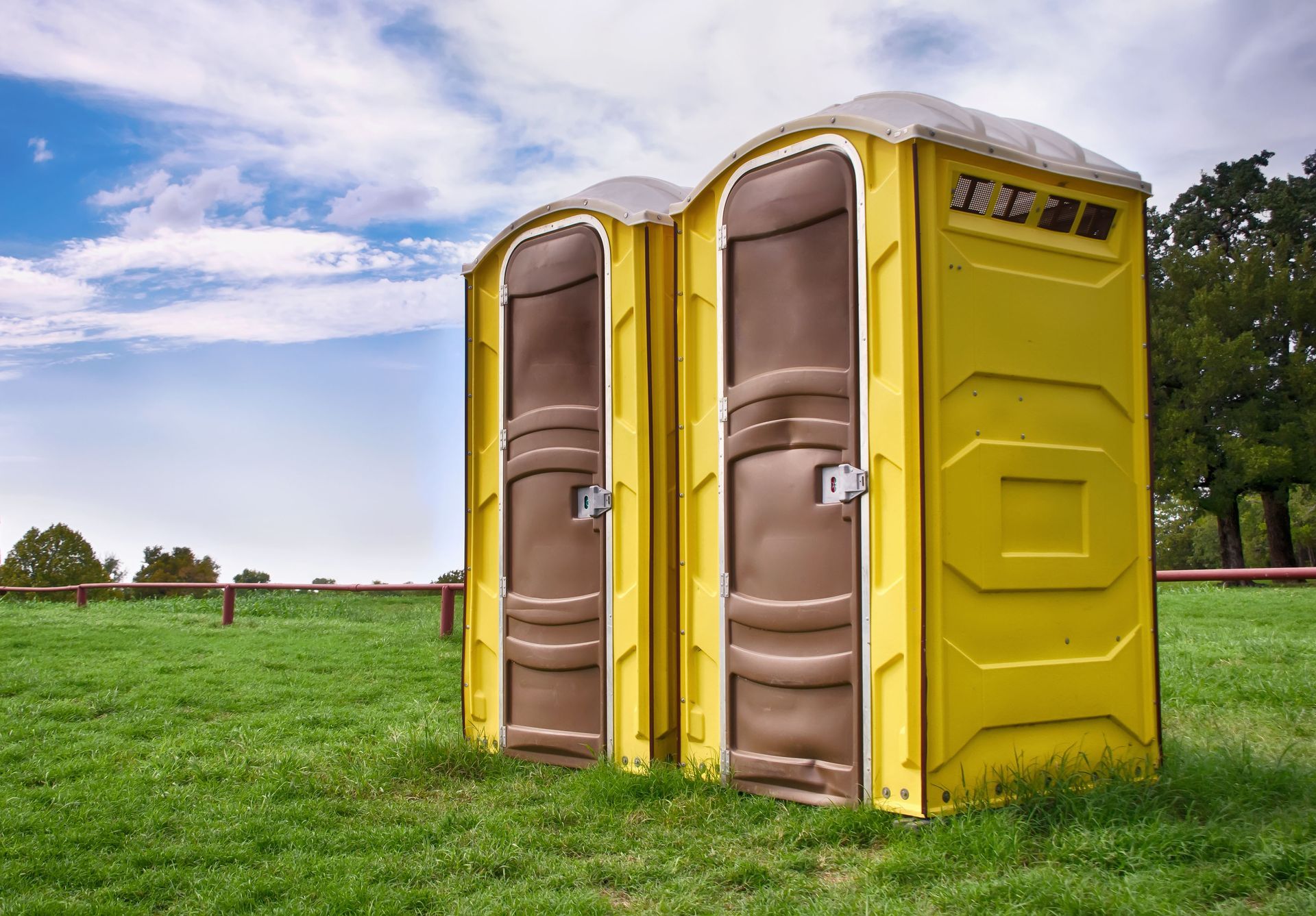
When you are planning to rent porta potties, it is essential to assess how many units are necessary for your event or project. The number of attendees or workers is a vital factor in determining the quantity needed. Industry guidelines often suggest one porta potty per 50 people for events. However, for construction sites, the recommendation can vary based on work duration and number of shifts. Adequate planning ensures amenities are readily available, helping to prevent long wait times and ensuring convenience. Event duration and peak usage times also directly influence the number of porta potties required. Calculating peak periods is crucial, especially for large gatherings like festivals, to avoid bottlenecks.
Selecting the Right Type of Porta Potties
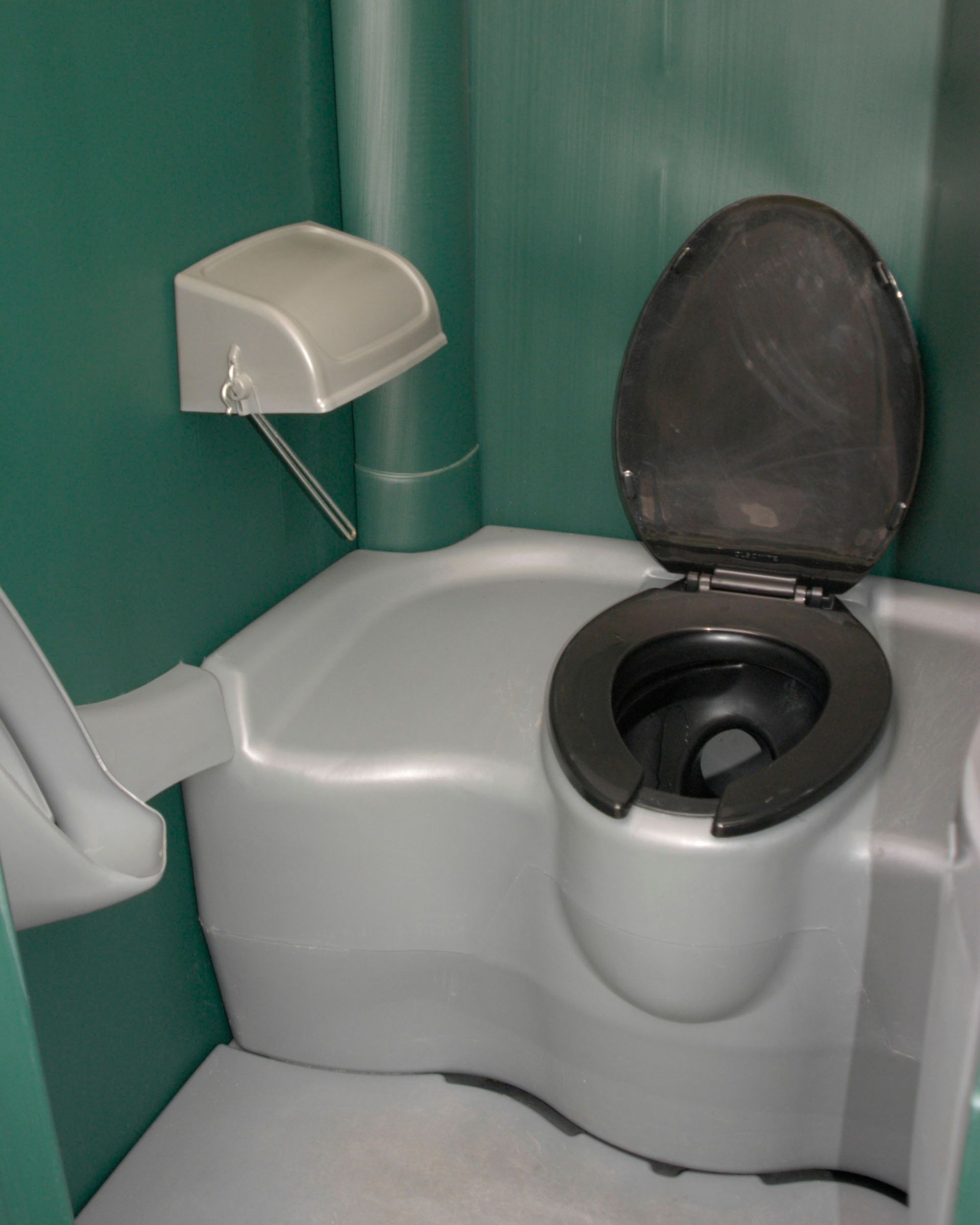
Choosing the right type of porta potty is integral to meeting user expectations and specific site requirements. Basic models suffice for most construction sites, offering bare essentials without special features. However, for public events, upscale units with advanced amenities like flushable toilets or air conditioning may be more appropriate. VIP or luxury porta potties provide an elevated experience, particularly suitable for weddings or high-profile gatherings. Understanding the event's nature and the attendees' expectations is crucial in making an informed decision. Not all units are created equal, and matching the right model to your specific crowd makes a huge difference in their overall experience.
Consider the demographics of the attendees and their potential needs. For example, family-friendly events might require units equipped with baby-changing stations. Similarly, choosing ADA-compliant units is essential if your audience includes individuals with mobility challenges. Offering diverse options can greatly enhance inclusivity and user satisfaction. Ensuring the availability of specialized units reflects consideration for all guests. To make these decisions, collaborate closely with your rental provider. Many companies offer various models and can guide you based on specific scenarios or events. Discussing your detailed requirements helps in selecting models that align with your vision and budget.
Planning for Accessible Porta Potties Options
Promoting inclusivity is paramount when organizing events or managing sites, making accessibility a critical consideration. ADA-compliant porta potties are designed to accommodate users who require additional space or specific amenities. These units come equipped with features like handrails, wheelchair ramps, and spacious interiors for ease of use. It's prudent to have at least one ADA unit for every group, depending on event size and audience. Providing accessible facilities reflects a commitment to equality and respect for diverse needs. Inclusivity is a big deal, and making sure everyone can use the facilities is a top priority for any responsible organizer.
Evaluating the Duration for Porta Potties
The duration for which porta potties are needed dictates many logistical and financial aspects. Consider the timeline of your event or project to understand long-term rental implications. Some events, like weekend festivals, may require porta potties for several days, while construction sites might need them for months. Rental duration often affects cost, so evaluating this factor aids in budgeting effectively. Awareness of your rental timespan ensures seamless integration into the planning phase. How long you need your rentals will directly affect your logistics and your bottom line. A weekend music festival has very different needs compared to a year-long highway expansion project.
Discussing your schedule clearly with the rental provider informs both parties for logistical coordination. It's vital to specify beginning and end dates for rental arrangements to ensure completeness. Clarifying these windows allows for precise scheduling of delivery and pickup. By securing timely delivery, you'll have functioning amenities ready when needed, avoiding inconvenient overlaps or gaps. This process helps maintain continuity and minimizes disruption.
Navigating Local Regulations for Porta Potties
Compliance with local laws and regulations is a fundamental aspect of renting porta potties. Areas may have specific guidelines governing sanitation facilities, including the number of units per event and maintenance standards. Consulting local authorities for clarifications ensures adherence to all necessary legalities. Taking proactive steps to secure event permits and comply with health codes demonstrates responsibility and professionalism. Through careful research, avoid potential legal pitfalls and sanctions. Before the units even arrive, it is a good idea to check in on local rules and permit requirements. Different cities or counties might have specific codes regarding how many units you must have based on your site's footprint or the expected head count.
Incorporate an awareness of local environmental regulations into planning processes. Proper waste management is often mandated by jurisdictions to protect public health and the environment. Ensure that disposal practices align with ecological guidelines to prevent violations. Partnering with reputable rental businesses guarantees adherence to waste disposal protocols. Establishing a thorough understanding of regulations safeguards against environmental concerns. Including rental providers in these discussions brings additional expertise and support.
Estimating Costs for Quality Porta Potties
Numerous factors can influence the cost of renting porta potties, affecting overall event or project budgets. The type of porta potty selected plays a significant role in determining rental expenses. Basic models cost less, while units with additional features like handwashing stations or climate control increase prices. Another factor is the rental duration; longer agreements often incur higher total costs but potentially lower daily rates. Understanding these elements can help forecast expenses accurately. Budgeting is always on everyone's mind, and several factors will sway the final price of your rental package. The "fancier" the unit, the higher the price tag, and the longer the duration, the more you will invest.
Arranging Placement and Delivery of Porta Potties
Selecting the right location for porta potties is crucial to ensure usability and convenience for attendees or workers. An optimal site will not only facilitate easy access but also fit within event layouts or construction site plans. When selecting a placement, consider the volume of foot traffic and proximity to event hubs. High visibility can enhance access and usability, while balancing the need for a discreet setup. Taking these logistical factors into account helps ensure seamless porta potty utilization. Once you have your units picked out, the final step is figuring out exactly where they should sit. You want them to be easy for people to find, but you also need to make sure the service truck can actually reach them.
Preparing the ground or surface beforehand can further ease installation processes. Level, stable ground ensures stability and safety for all users and service personnel. Consider accommodations needed for different weather conditions, such as rain or mud, in positioning decisions. Communicate your chosen location with both the provider and event stakeholders for alignment. Engaging in open dialogue guarantees alignment between participant expectations and logistical placements. Providers can then supply necessary insights to adjust or refine location aspects. Customize positioning choices based on this interchange of ideas and feedback, alleviating any placement-related constraints. You can ensure that your site or event remains sanitary and professional by choosing the reliable services of Capital Waste Services Inc.